

Sleep Medicine
Sleep is one of the most powerful tools we have for long-term health. When it's disrupted – whether by breathing issues, movement disorders, insomnia, or circadian rhythm problems – the effects ripple into every part of life.
Our role is to help you understand what's happening and guide you toward the right treatment. We assess and treat the full spectrum of sleep conditions, using modern home-based diagnostics and evidence-based therapies.
Sleep Conditions
Explore and learn about the range of sleep conditions we diagnose and treat.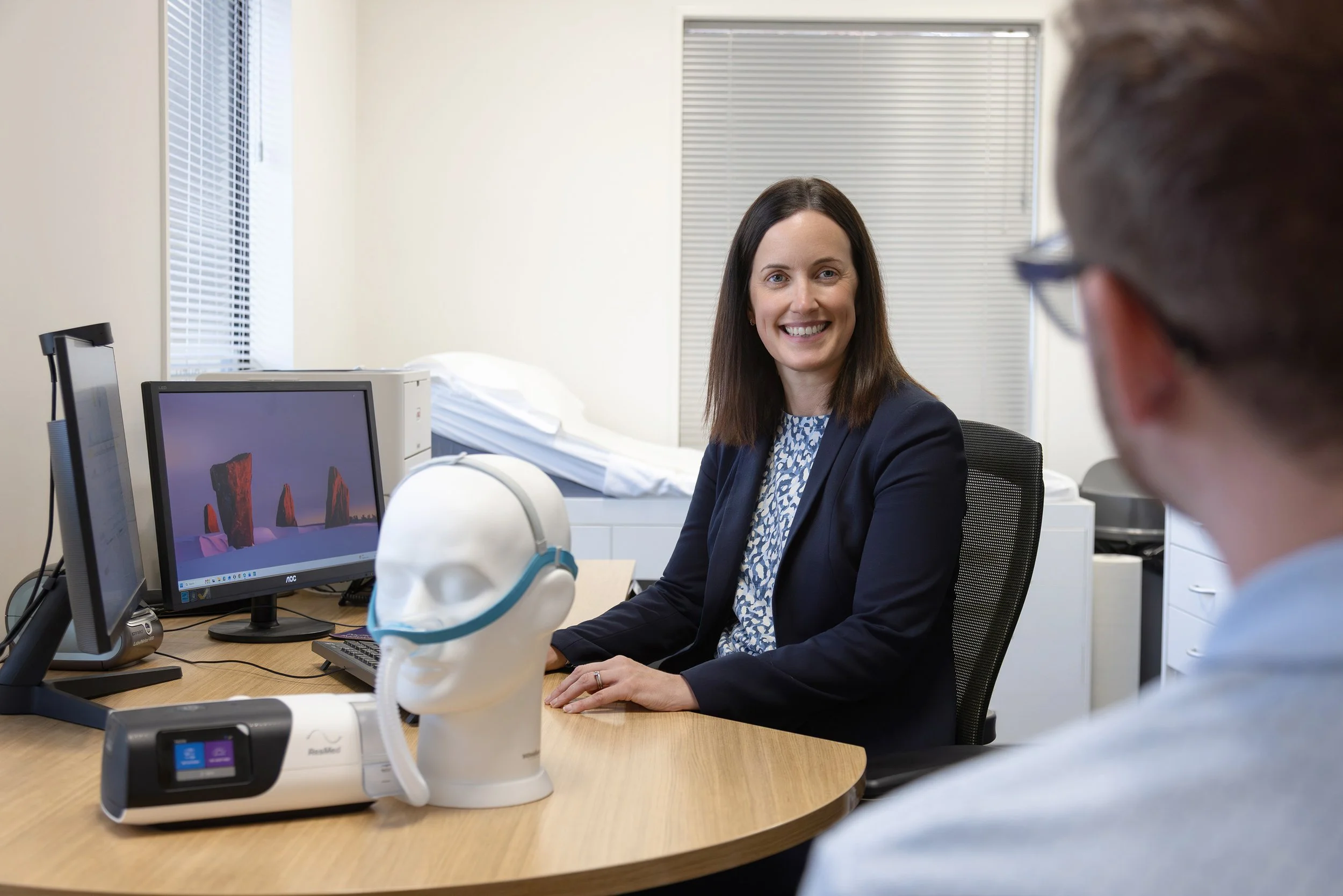
Obstructive Sleep Apnoea (OSA)
Obstructive Sleep Apnoea occurs when the airway repeatedly narrows or closes during sleep, causing pauses in breathing. These events disrupt sleep quality and, if left untreated, can contribute to conditions such as high blood pressure.
-
Loud snoring
Witnessed pauses in breathing
Waking unrefreshed
Morning headaches
Daytime sleepiness
Poor concentration or memory
Frequent urination overnight
-
Home-based sleep studies assessing breathing, oxygen levels, heart rate, and sleep quality
Testing options include oximetry, Compass, WatchPAT, Level 3, and Level 2 home polysomnography
-
CPAP therapy
Oral appliances
Weight-focused management, including GLP-1 based therapies
Positional therapy
Lifestyle strategies
If you snore, feel excessively tired, or others have noticed pauses in your breathing, a sleep assessment is recommended.
Insomnia
Insomnia includes difficulty falling asleep, staying asleep, or waking too early – despite having adequate opportunity for sleep.
-
Trouble falling asleep
Frequent nighttime waking
Early morning waking
Unrefreshing sleep
Daytime fatigue or irritability
-
Detailed clinical assessment
Sleep studies when needed, to rule out underlying disorders such as sleep apnoea or restless legs
-
Management of contributing sleep disorders, medical or psychological factors
Sleep hygiene and behavioural strategies
Cognitive Behavioural Therapy for Insomnia (CBTi)
DORA medications such as lemborexant (Dayvigo)
If sleep difficulties persist for more than three months or affect daytime function, specialist input can help.
Narcolepsy and Idiopathic Hypersomnolence
These are conditions causing excessive daytime sleepiness, disrupted nighttime sleep, and sometimes emotion-triggered muscle weakness (cataplexy).
-
Overwhelming sleepiness
Unrefreshing naps
Difficulty staying awake
Sleep paralysis or vivid dreams
Cataplexy
-
Home sleep study including Level 2 polysomnography
Specialist clinical evaluation
Referral for advanced testing if required
-
Wake-promoting medications
Sleep scheduling
Behavioural strategies
Management of co-existing sleep disorders
Restless Legs Syndrome (RLS)
RLS causes an uncomfortable urge to move the legs, typically worse in the evening and relieved by movement.
-
Tingling, crawling, or aching sensations
Difficulty falling asleep
Nighttime leg movements
Daytime fatigue
-
Clinical diagnosis supported by iron studies
Review of medications
Assessment for co-existing sleep disorders including limb movement analysis
-
Iron replacement if levels are low
Medication options
Lifestyle strategies
Treating co-existing sleep conditions such as sleep apnoea or insomnia
Parasomnias
Parasomnias are unusual behaviours during sleep, such as sleep talking, sleepwalking, and night terrors.
-
Sleepwalking
Night terrors
Dream enactment
Confusion on waking
Injuries during sleep
-
Detailed clinical history
Home sleep study when needed, to rule out triggers such as sleep apnoea
-
Safety strategies
Managing triggers
Medication in selected cases
Circadian Rhythm Disorders
These include delayed or advanced sleep phase, shift work disorder, and irregular sleep timing. We help you understand your body clock and develop strategies to realign sleep with your lifestyle.
All sleep studies are performed at home using modern, validated technology. Every test is paired with a full, comprehensive sleep assessment from one of our specialists, with clear instructions and support from our team of sleep physiologists.
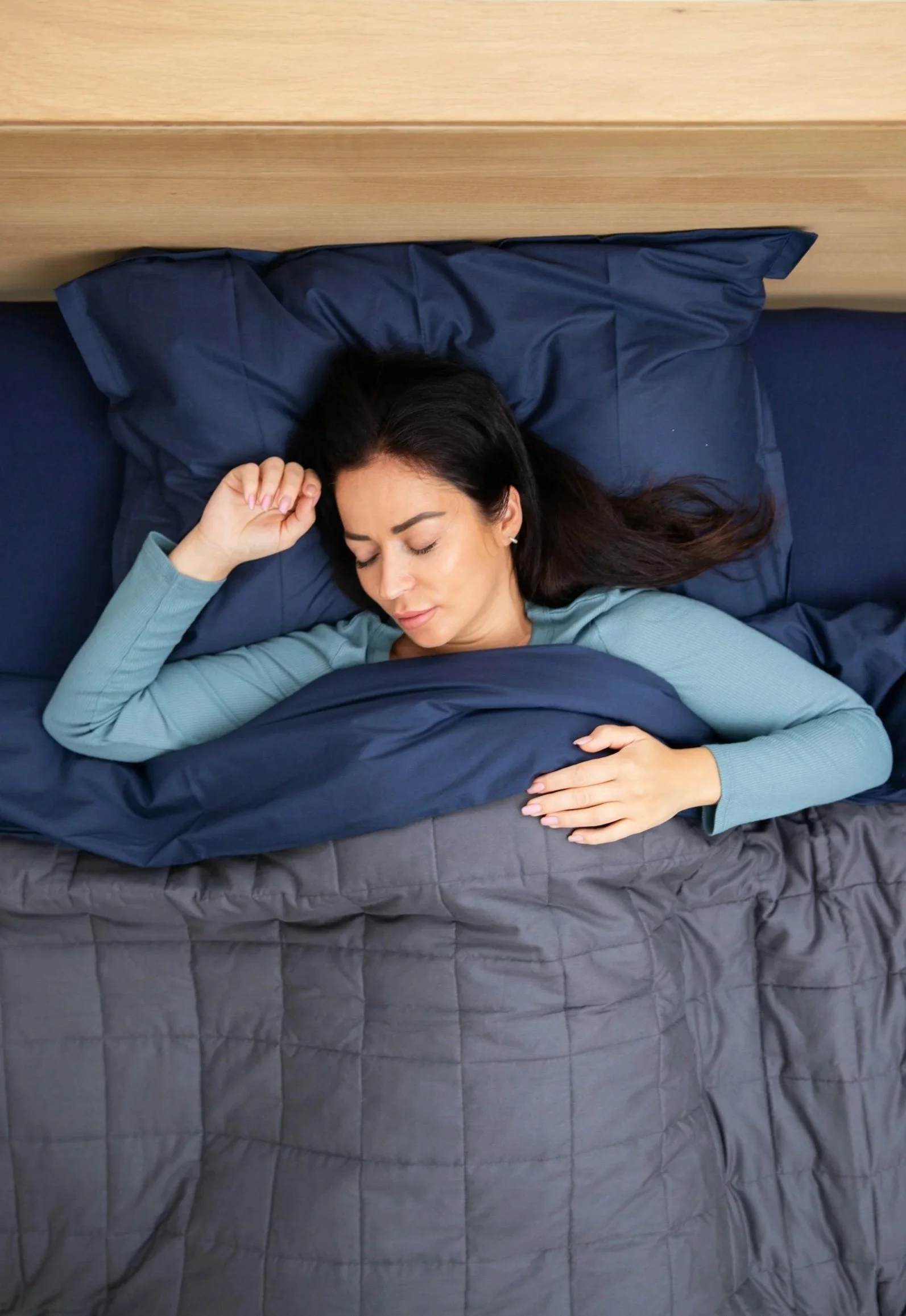
Explore and learn about the range of sleep testing we offer.Home-Based Sleep Testing
Overnight Oximetry
A simple overnight test measuring oxygen levels and heart rate during sleep.
-
Nocturnal hypoxaemia (low overnight oxygen levels)
Monitoring response to treatment such as CPAP
-
A small finger probe and wrist device worn overnight at home.
-
Patients who have difficulty tolerating more complex testing
Monitoring oxygen levels on treatment
Monitoring in respiratory disease
COMPASS (Flow-Based)
A home sleep apnoea test measuring airflow, breathing effort, oxygen levels, snoring, and body position.
-
Obstructive Sleep Apnoea
Severity of sleep-disordered breathing
-
A lightweight nasal cannula, chest/abdominal belts, and a small recorder.
-
Patients with symptoms of OSA
Those without major co-morbidities
When a straightforward diagnostic pathway is appropriate
WatchPAT
A validated home sleep test using peripheral arterial tone (PAT), heart rate, and oxygen levels to estimate sleep stages and detect apnoeas.
-
OSA
Sleep fragmentation
Autonomic arousals
-
A wrist-worn device and finger probe – no belts or nasal cannula required.
-
Patients who find nasal cannula difficult to tolerate
Patients living remotely (can be posted to their home)
Patients with a high likelihood of significant sleep apnoea
Level 3 Home Sleep Study
A multi-channel home sleep study measuring airflow, effort, oxygen levels, snoring, body position, ECG, and limb movements.
-
OSA
Severity grading
Positional sleep apnoea
Limb movement disorders
-
A nasal cannula, belts, finger probe to measure oxygen levels and a small recorder worn overnight with leads on the legs.
-
Most patients with suspected OSA
Those needing more detailed assessment than COMPASS or WatchPAT
Patients with symptoms of nocturnal limb movements
Level 2 Home Polysomnography
A detailed full polysomnography study performed at home, measuring brain activity (EEG), eye movements, muscle tone, breathing, oxygen levels, heart rate, and limb movements.
-
Complex sleep apnoea
Sleep-related hypoventilation
Parasomnias including REM behaviour disorder
Periodic limb movements
Causes of sleep fragmentation in insomnia or chronic fatigue syndrome
Primary disorders of wakefulness such as narcolepsy and idiopathic hypersomnolence
CAA aviation medicals
Cases where Level 3 or WatchPAT is insufficient
-
A detailed setup including EEG sensors, belts, nasal cannula, limb leads, and an oxygen probe.
-
Patients with complex symptoms
Those with co-existing respiratory or neurological conditions
Patients suspected of non-respiratory sleep disorders
Individuals needing full polysomnography without hospital admission
All sleep testing is done at home, ensuring you can be assessed in the comfort of your own environment
—
All sleep testing is done at home, ensuring you can be assessed in the comfort of your own environment —
Sleep Treatments
Explore the variety of sleep treatments we offerCPAP Therapy
Continuous Positive Airway Pressure (CPAP) delivers gentle air pressure through a mask to keep the airway open during sleep. We offer a comprehensive, supportive pathway tailored to each patient.
-
Patients diagnosed with OSA
Some patients with problematic snoring or upper airways resistance syndrome who have significant daytime symptoms
Significant daytime sleepiness
Cardiovascular risk factors
Patients who have not responded to other treatments
-
Personalised in-person setup: An hour-long session with our specialist sleep physiologists covering mask fitting and CPAP education. Long-term benefits of CPAP are directly related to proper mask fitting and education at this early stage.
4-week supervised trial: Patients undergo a 4-week auto-titrating CPAP trial with online monitoring and ongoing contact with our team to check progress and adjust settings as needed.
Transfer to long-term treatment: Following the trial, you'll meet with your specialist physician to discuss next steps. Options include purchasing a machine, short-term rental, or transitioning to alternative treatments.
Life-long support: Once established on CPAP, ongoing support remains available from our team.
-
Better sleep quality
Improved alertness
Reduced snoring
Improvements in general health and wellbeing, including reduced cardiovascular risk
Oral Appliances
Custom-made dental devices worn during sleep to reposition the jaw and help keep the airway open.
-
All patients with OSA, particularly where CPAP is not preferred
Patients with positional sleep apnoea (worse when lying on the back)
Patients who are unable to tolerate CPAP
-
Assessment and referral to local dental sleep medicine
Bespoke fitting and adjustment of your device
Follow-up sleep study to ensure control of your sleep apnoea and allow further adjustments if indicated
-
Portable
Quiet
Often well-tolerated
Cognitive Behavioural Therapy for Insomnia (CBTi)
The gold-standard treatment for chronic insomnia and other sleep conditions.
-
Difficulty falling asleep
Frequent waking or difficulty maintaining sleep
Early waking
-
Sleep scheduling
Stimulus control therapy and behavioural sleep conditioning
Sleep restriction/time-in-bed therapy
Cognitive strategies
Relaxation techniques
Weight Management (Including GLP-1 Therapies)
For patients where weight contributes to sleep or breathing issues, we offer clinical assessment, personalised weight-management plans, and GLP-1 based therapies, overseen by our SCOPE-trained obesity physician.
-
OSA with weight-related severity
Obesity-related hypoventilation
Metabolic syndrome
Difficulty losing weight despite lifestyle changes
-
Reduced OSA severity
Improved alertness
Better metabolic health
Ready to take the next step?
Sleep problems can feel overwhelming, especially when you've been struggling for a long time. We're here to make the process easier.
Where You'll Find UsMilford Chambers & Leinster Road
Christchurch
Marinoto Clinic
Dunedin
MacMurray Centre
Queenstown
Wānaka Lakes Health Centre
Wānaka
Telehealth appointments are available for patients throughout Aotearoa.